
The transition to low carbon maritime fuels is accelerating, yet uncertainty persists around the technical, economic and regulatory implications of emerging options such as ammonia and hydrogen.
This new whitepaper from the MariNH3 research collaboration – Propelling growth: The role of green ammonia as a clean, sustainable marine fuel – presents a high-level summary of the latest findings from their
At a time when outdated or inaccurate narratives about ammonia and hydrogen technologies frequently circulate within the public and policy domains, this whitepaper aims to help set the record straight. It does not seek to answer every question – many of the detailed technical, socio-economic and regulatory outputs are still under development. Instead, it provides an accessible overview of early evidence, identifies emerging themes, and clarifies where further validation is underway or required.
The whitepaper demonstrates that ammonia benefits from decades of industrial use with established safety protocols, and that it can be burned in engines as a clean fuel offering substantial reductions in greenhouse-gas emissions.
- Read the briefing at https://marinh3.ac.uk/propelling-growth/
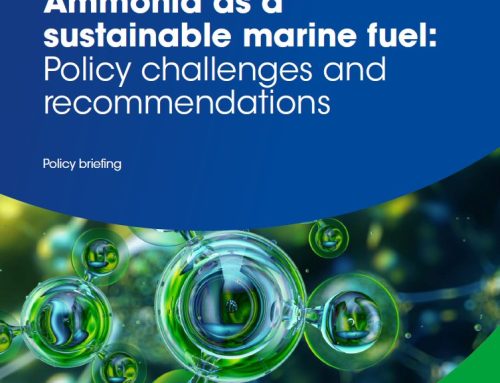
This is the second in series of five whitepapers from MariNH3. Ammonia as a sustainable marine fuel: Policy challenges and recommendations was launched in March 2026. The next whitepaper – Ammonia dual fuel marine engine technologies: Fundamentals, performance and emissions – will be available in September. It outlines that the dual fuel engine is feasible and pragmatic but not perfect, and highlights that further research is required to continue advancing the fundamental understanding behind the more near-term and pragmatic dual fuel option.
Marine propulsion is only part of the emerging opportunity for sustainable ammonia. The UK has an economic opportunity here and needs to act now to realise it.
 Sign-up to our newsletter
